

Hello, Operator?
The overlooked hotel phone


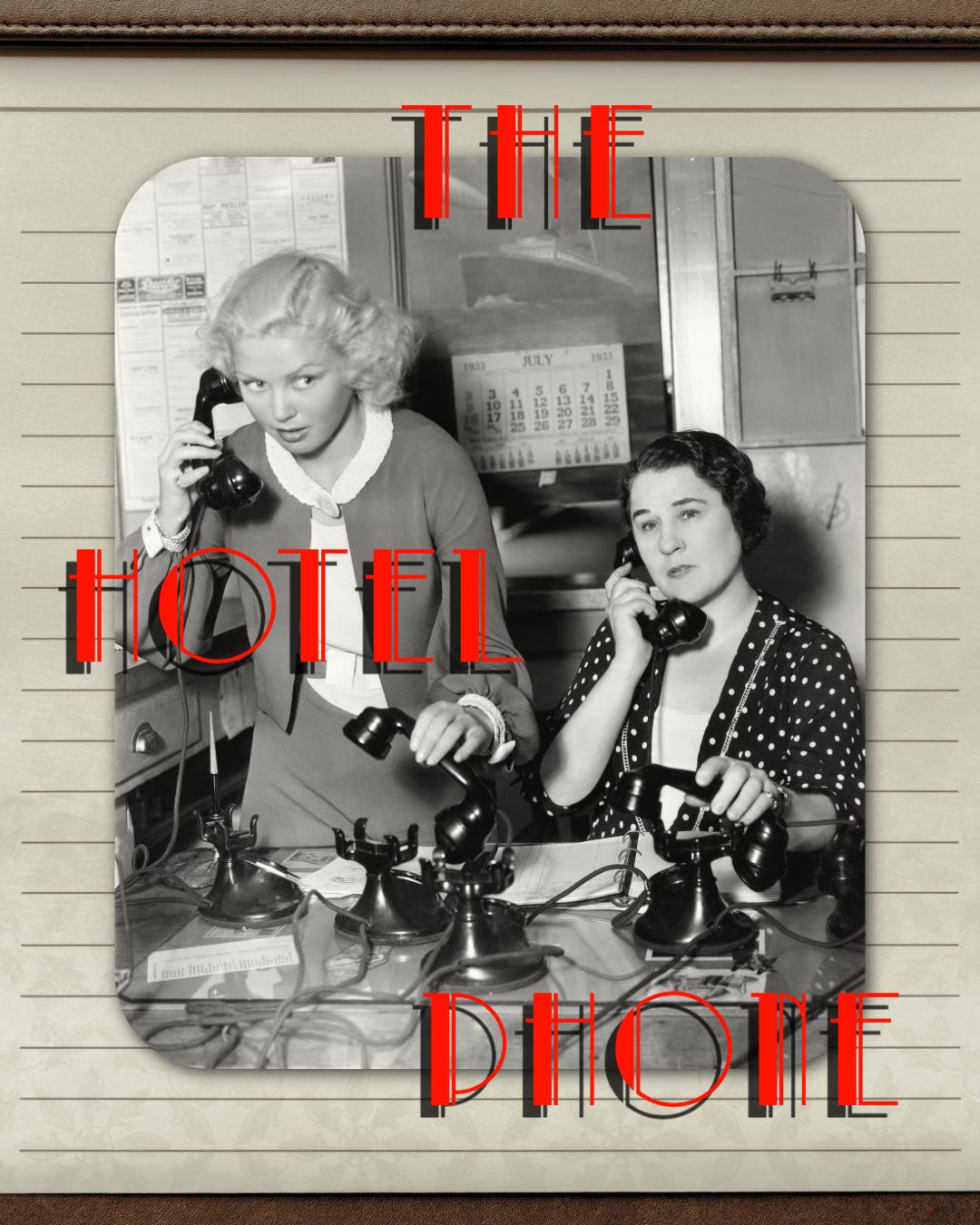
Here at Hotel History and The CHECK-IN, it goes without saying that we’ll focus on architecture, visiting dignitaries, celebrity scandals, and social movements happening inside hotels. But lately we’ve been zooming our lens even further into the seemingly humdrum, everyday pieces of hotel life that we take for granted.
Our first such episode looked into the origins of everyone’s favorite amenity, room service. Another recent episode featured the evolution of the hotel bar. And now we’re talking (on) the telephone.
With cell phone constantly in hand, you might not give much thought to that hulking black talk box on your nightstand unless you want to call the front desk for extra towels. But 100-some-odd years ago, the telephone was the ultimate luxury technology. In 1894, not even 20 years after Alexander Graham Bell made the first-ever telephone call, the New Netherlands Hotel in New York was the first to install a phone in every guest room—a major amenity meant for “the millionaire who is ill, so he may transact his business in bed,” as one newspaper put it.
The term millionaire isn’t hyperbole here, as that is who mainly frequented hotels like the New Netherlands and the original Plaza Hotel, both built on Millionaire’s Row in Manhattan. The New Netherlands had somewhere between 370 and 450 rooms. That’s a lot of phones for one building, considering there were only about 600,000 phones in the entire country by 1900, or one per every 126 people. Most hotels would have had one phone at the front desk and perhaps one in the lobby for public use. Even the Waldorf Astoria, another major luxury property, didn’t put phones in every room until 1931. (They really saw the phone’s potential and created the modern idea of room service.)
By the 1930s, the telephone was becoming ubiquitous, with one found in more than 35 percent of American households. As more telephone lines went up and hotels installed more phones in rooms, a new economic opportunity arose for women—the switchboard operator.
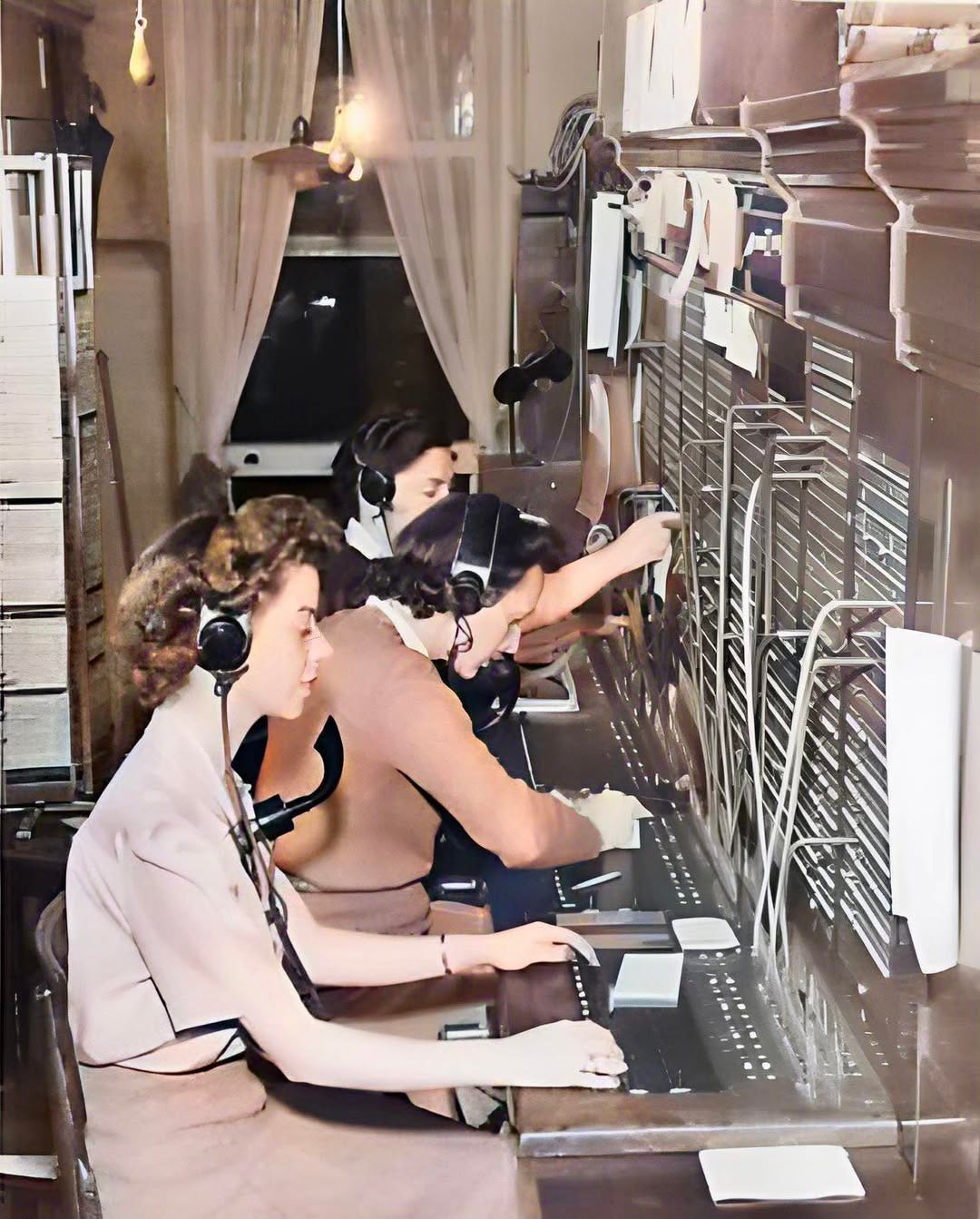
The first switchboard operators were teenage boys—a natural extension of their previous telegraphy posts—but the Boston Telephone Dispatch Company did not feel they had the necessary patience, attitude, or manners for interacting with callers (we’re shocked). The company began hiring women for the position, a trend that continued until the 1970s, when men once again began to work as operators until the job mostly faded out as automated technology took over.
We saw a similar arc in our discussion of TWA flight attendants. What started as a male position, the steward, became a female position, the stewardess. In that case, airlines didn’t just prefer hiring women—they exclusively hired women. It took a 1971 federal court ruling to open the door for men to work in the galley again.
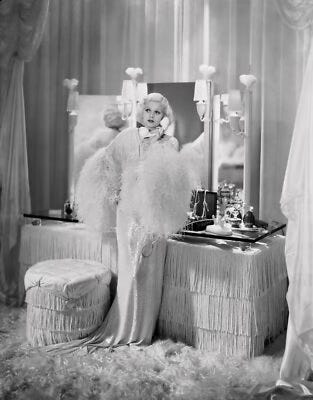
One of the great legends of Washington D.C.’s Mayflower Hotel is actress Jean Harlow’s apparent fascination with the telephone switchboard during her stay there. She supposedly spent an entire morning wearing an operator headset and learning to connect calls. (This story can’t be verified, but it’s too fun imagining a glamorous Hollywood star, especially one with such an iconic and recognizable voice, draped over the switchboard asking, “Number, please.”)
The next few decades were a whirlwind for telephone technology. We won’t bore you with too many details, so just know that in 1948, Sheraton Hotels introduced a telex system for reservations, which was essentially a text message machine before FAX was invented. In 1957, Hilton Hotels were the first to offer direct-dial service, meaning rooms could dial out local calls, bypassing the operator, and use single-digit dialing for services like the concierge and room service. In 1958, Sheraton upped its reservation game with Reservatron, a system using a centralized computer database for all its properties. Then the 1960s introduced touch-tone phones, improving dialing speed and making automated menus possible. Next came multiple phone lines, call waiting, call transfers, and caller ID.
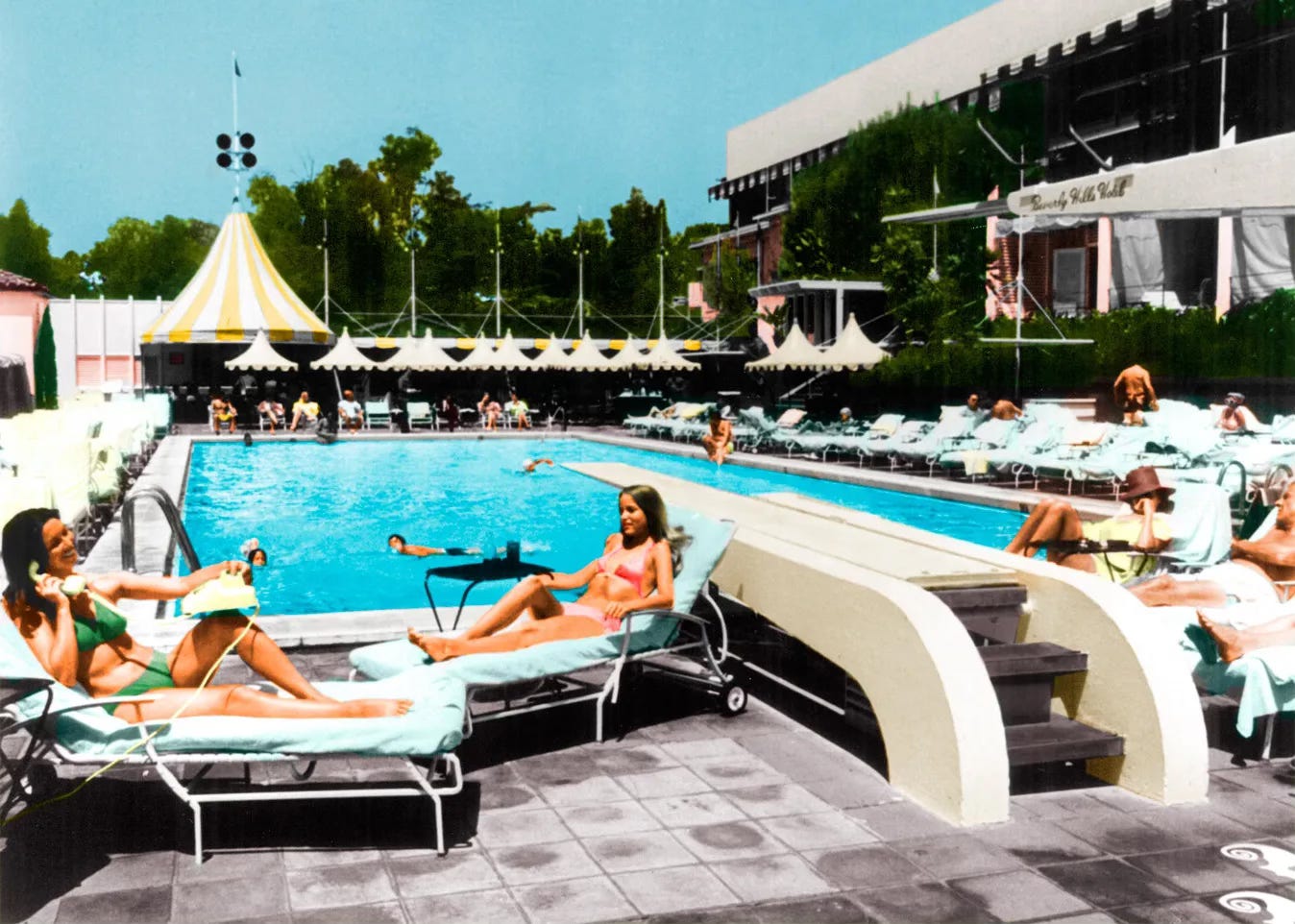
Throughout its history, it doesn’t seem as if hotel guests were ever shy about using the phone, including celebrities. In fact, being paged for a phone call at the Beverly Hills Hotel in Los Angeles, a popular hotspot for actors and others in the biz, let everyone know you were there and in demand. The hotel even got extra-long phone lines so guests could take their calls by the pool.
Some celeb calls probably made operators take a deep breath before connecting. Truman Capote was well-known for making light-night gossip calls during his stays at the Plaza, and Frank Sinatra hated to be put on hold. So many fans called Elvis Presley’s room that operators had to screen calls before putting them through. We talk even more about the phone antics of stars in our latest episode, “Secrets on the Line: The Life & Times of the Hotel Phone.” You can listen ad-free on Substack or wherever you get your podcasts.
It took more than 100 years for hotels to get their very own dedicated phones. In 1982, Teledex created the first one and has made more than 15 million phones for hotels across the country since. It’s a standard now and is probably the phone you’ve seen and used the most during your hotel stays. (What it lacks in looks, it makes up for in functionality—that’s the only excuse we can give for its dearth of style.)
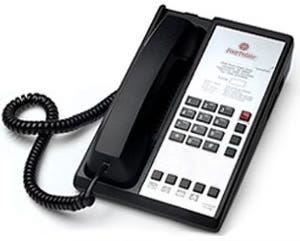
The ‘90s and early ‘00s brought the most recent phone improvement with the internet phone. Voice Over Internet Protocol (VoIP) is found in almost every hotel. Each room has its own internet connection via the phone, and that connection is used for everything from controlling the temperature to allowing your hotel app to unlock your door.
Many wonder, though, if in-room phones are even necessary given the omnipresence of the cell phone. We are staunchly behind keeping them, not just for safety (cell phones die; land lines rarely do), but for style. But, c’mon, hotels have to put a little effort in on this one.
Many hotel lobbies have beautiful old rotary phones, but the room phones are woefully lacking. Our stay at Lodge at Marconi was an impeccable example of a functional hotel phone that also perfectly fit the design of the room.
In a world of efficiency and functionality, we think the hotel phone can reclaim its status as a luxury item, especially in historic and boutique hotels who put a much higher value on design.
We may not need them to connect us to the rest of the world as they once did, but let’s hold the line for nostalgia’s sake.
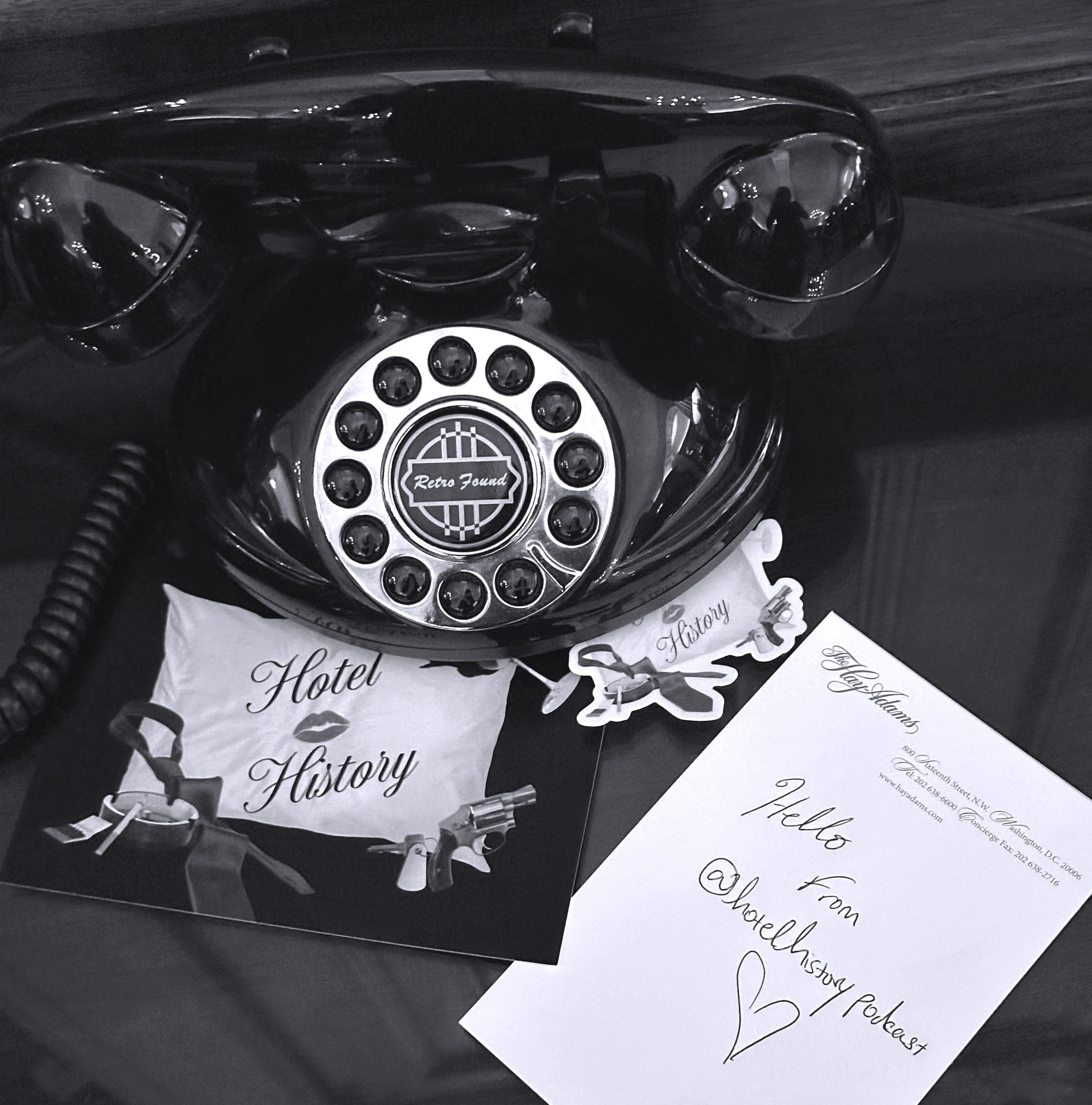
Fully support integrating hotel phones into the room design!
I love a hotel phone still in-room. Safety is one issue, but can be solved with other in-room options- however, ease and accessibility of service, meeting guests where THEY are - is my primary reason. Now can we talk about the clock?!? How come I never know what time it is without stairing at my phone anymore!